100% natural ingredients
 Free shipping > $100
 Free samples
 Delivered within 2 days
100% natural ingredients
Free shipping > $100
Free samples
Delivered within 2 days
Delivered within 2 days
100% natural ingredients
Free shipping > $100
Free samples
Delivered within 2 days


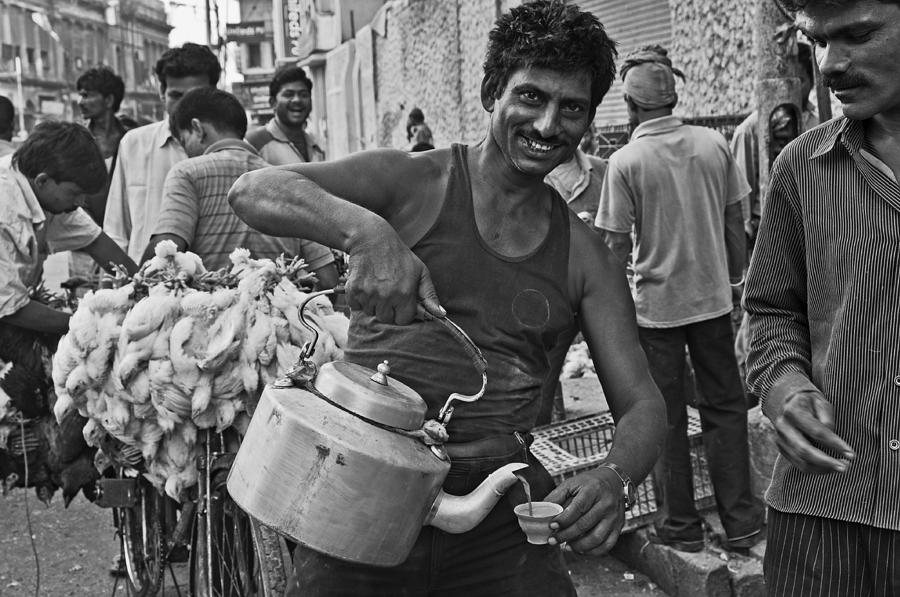
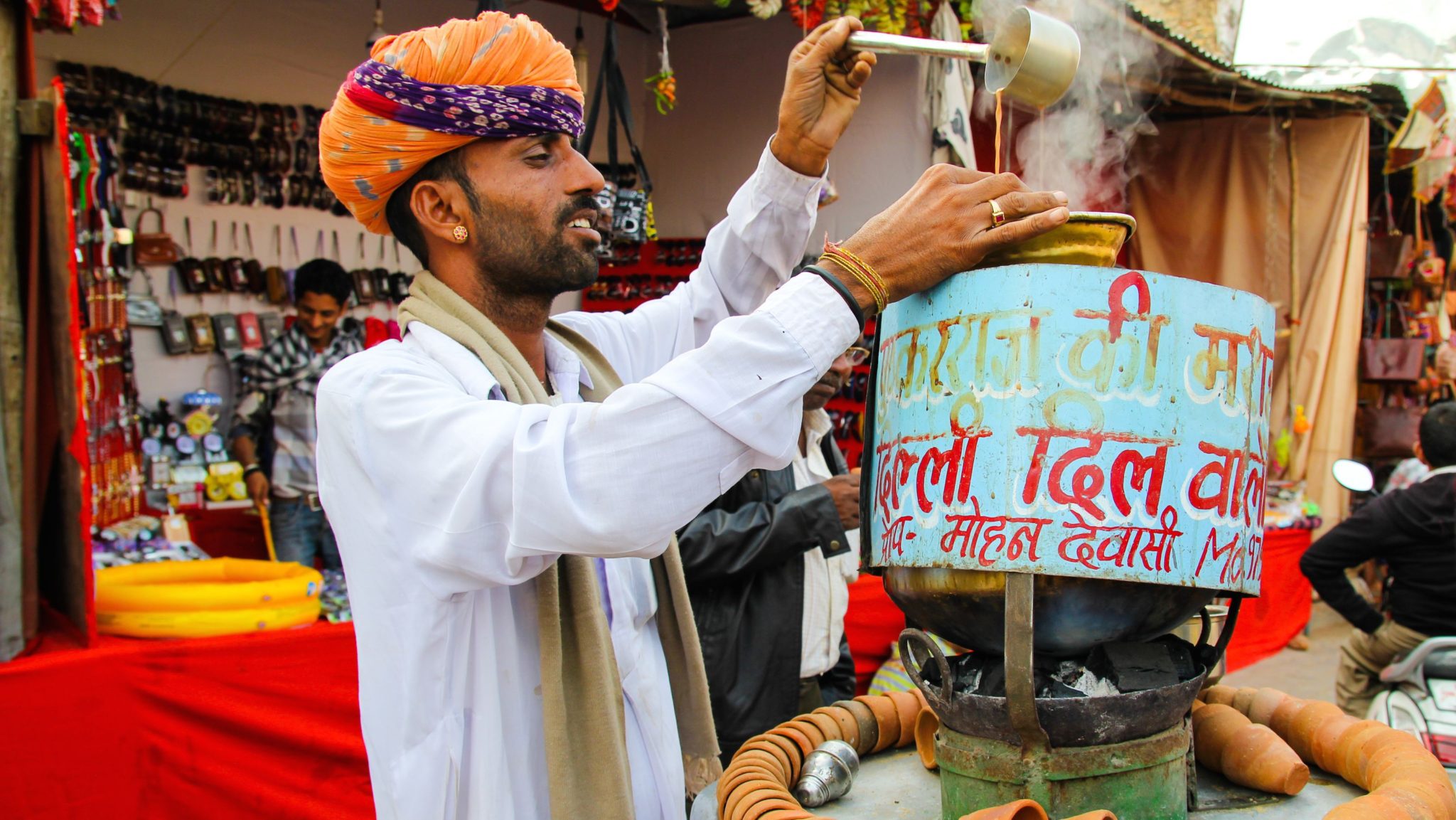
For a few years now, of course, the Chai Latte has been unmissable on the menu in trendy cafes and catering establishments and seems to be the tea drink of the 21st century. But the Chai Latte has been around for more than 5,000 years! In countries like India, Nepal, Tibet and Pakistan, people have been drinking the Chai for centuries. Read on to learn more about the origins of the Chai Latte....
According to a Buddhist legend, the first tea leaves originated from the eyelids of the meditating Bodhidharma, an Indian monk who introduced Zen Buddhism to China around 500 AD. This saint is said to have cut off his eyelids to avoid sleeping in. Other Chinese lore attributes the discovery of tea to Loe-Ju, who hatched from an egg, around 800 A.D. Through China, Japan also came into contact with tea. The Japanese tea ceremony dates back to 1286 when, according to lore, the monk Shomei brought all the supplies for tea drinking from China.
Yet another legend goes that long ago an emperor in an ancient Asian empire did not feel well and ordered his court physicians to make a medicinal drink. 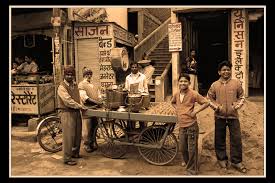 It was one of the court doctors who happened to be sitting under a tea bush and couldn't think of anything. In desperation, he picked all kinds of leaves and fruits from bushes around him and boiled that for several hours. Finally, he added milk and honey. After drinking the first "Chai Masala," the emperor immediately felt better and the doctor was richly rewarded. For more than 100 years, Chai was allowed to be drunk only by emperors.
The one thing we can be sure of is that tea drinking has a very long tradition. Its origins can undeniably be traced back to the Hindu natural healing process called "Ayurveda," in which a combination of spices, herbs and sweeteners are used to cure physical illnesses.
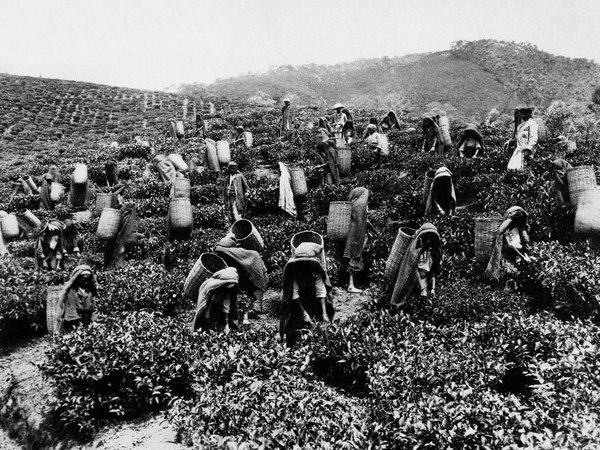
The West first came in contact with tea through the imperialism of the British kingdom. During the time of the British colonial empire, tea from China was hugely consumed in Great Britain. The East India Company had become concerned about the Chinese monopoly on tea and therefore began establishing tea plantations in India. In 1870, over 90% of the tea consumed came from China, but by 1900 it was only 10%! Chinese tea had been replaced by tea from British India. Black tea was very expensive and only rich Indians could afford it. Around 1900, the India Tea Company tried to increase tea consumption in India by promoting "tea breaks" for tea plantation workers. Due to the high cost of black tea, people drank only the spices mixed with cream and sugar. This was a cheap source of energy for the workers: Chai Masala was reborn! Chai Masala thus became a drink for the proletariat and was soon drunk throughout the country, although each region had its own personalized recipe with different spices.
By now, Chai Latte is served all over the world and we too get to enjoy this delicious imperial beverage. The Authentic Chai Latte we offer in the shop is the Chai very similar to the real Chai as the Chaiwallahs make it on the streets. Even Indian families rave and tell us that this is the Chai Latte like their grandmother and mother make at home! Try it here.